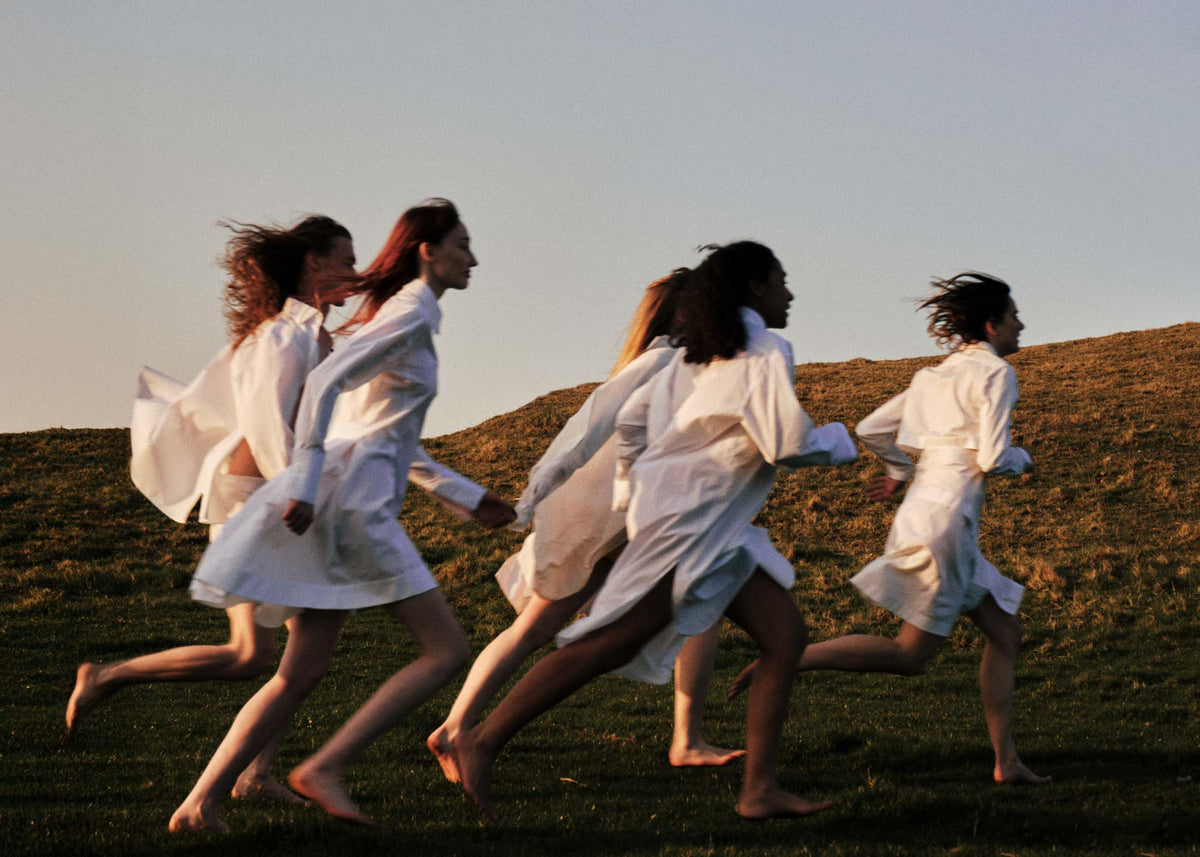


As the first breath of spring graces the land, we stand at the crossroads of light and dark, balance and harmony. For centuries, this turning point in the Earth’s orbit has marked the beginning of a new season — a time of transformation, growth, and awakening. In the tranquil hills of our home in Somerset, the equinox invites us to reconnect with the landscape and observe the subtle shifts that signal spring’s return.
Ancient Traditions: A Celebration of Renewal
The Spring Equinox, which falls on March 20th or 21st, has long been recognised as a moment of balance — when day and night stand equal before the sun’s light begins to lengthen. Across early European cultures, it marked the start of agricultural renewal, a time for planting seeds and celebrating the earth’s reawakening after winter.
Communities would gather to mark the change in season with simple acts of gratitude — lighting candles, preparing the soil, or sharing the first signs of spring’s bounty. The fertility of the land mirrored the sense of new beginnings in daily life: an invitation to start afresh, to let go of what has passed, and to welcome the light ahead.


Experiencing the Equinox in Somerset and Bruton
Somerset, with its lush pastures, ancient woodlands, and timeless villages, offers an ideal setting to experience the balance of the equinox. In the heart of the county lies Bruton — a town where heritage and creativity meet, surrounded by rolling hills and a deep connection to the natural world.

Glastonbury Tor: A Hill of Light and Balance
Just a short drive from Bruton, Glastonbury Tor rises gently from the Somerset Levels, its solitary tower visible for miles. On the equinox, the sunrise aligns beautifully with the hilltop, creating a striking sense of harmony between land and sky. Climbing the Tor at first light offers a quiet moment to take in the expansive views of the Mendip Hills and the patchwork fields below — a simple way to witness nature’s balance firsthand.
The White Spring: A Flow of Healing Waters
At the foot of the Tor, the White Spring has been appreciated for centuries for its clear, mineral-rich waters. Sheltered by stone and greenery, the spring provides a tranquil space to pause, listen, and reflect. As the season turns, the sound of running water and the scent of new growth capture the essence of renewal — small reminders of the natural cycles that surround us.

Bruton’s Historic Gardens: A Quiet Celebration of Spring
In Bruton itself, the gardens at Hauser & Wirth offer a serene place to experience spring’s arrival. Designed to evolve with the seasons, the landscape blends art and horticulture in a way that feels both thoughtful and alive. On the equinox, a stroll through these gardens reveals the first blossoms and fresh shoots of the year — a celebration of growth and quiet transformation.
Stourhead Gardens: A Majestic Walk Through History
A short journey from Bruton, Stourhead’s 18th-century landscape gardens offer a grander perspective on the changing season. With its mirrored lakes, classical temples, and tree-lined paths, Stourhead invites visitors to wander and observe the unfolding beauty of spring. The balance of architecture and nature here echoes the harmony that defines the equinox itself.

Stonehenge: The Ancient Alignments
Further afield, the iconic Stonehenge remains one of the most striking places to witness the equinox. As the sun rises directly between the ancient stones, the connection between human craft and celestial order feels unmistakable. It’s a reminder of how deeply the natural world has shaped our understanding of time, balance, and renewal.

A Moment to Honour Balance
As the Spring Equinox unfolds across Somerset and Bruton, the landscape offers countless ways to pause and reconnect. Whether standing atop Glastonbury Tor, walking through the gardens at Hauser & Wirth, or simply watching the light shift across the hills, this is a time to appreciate balance — between past and present, rest and renewal.
May this season bring a sense of clarity, growth, and quiet optimism. The Spring Equinox is not merely a date on the calendar; it is a reminder that the natural world continues its steady rhythm — and that we, too, are part of its enduring cycle